How to Become a Professional Cryptocurrency Trader

The dream of becoming a professional digital currency trader — earning a full-time income by navigating the volatile world of Bitcoin, Ethereum, and altcoins — attracts thousands of aspiring traders every year. In 2026, with corporate level usage growth, advanced tools, and clearer regulations, the path is more structured than ever, yet it remains extremely challenging. The reality is that only a small percentage of traders reach true professional status. Success requires far more than luck or market hype; it demands education, discipline, capital, and years of deliberate practice.
This guide outlines a realistic, step-by-step plan timeline to transition from a beginner to a professional digital currency trader.
Step 1: Build a Strong Educational Foundation
Professional trading starts with deep knowledge. Before risking significant capital, dedicate at least 6–12 months to learning:


- Core Concepts: Master distributed ledger technology, token economy, on-chain evaluation, and macroeconomic factors affecting crypto.
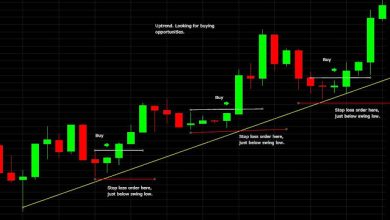
- Technical Analysis: Learn graph patterns, candlesticks, base level/ceiling level, indicators (RSI, MACD, Bollinger Bands, Volume Profile), and order flow.
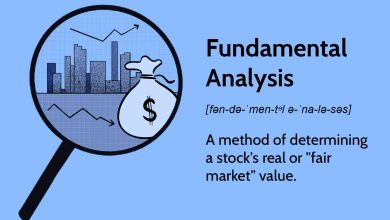
- Fundamental Analysis: Evaluate projects through whitepapers, team credibility, usage growth metrics, Total Value Locked (TVL), and network activity.
- Trading Styles: Explore day trading, swing trading, scalping, and position trading to find what suits your personality and schedule.
Study reputable resources: books like “Trading in the Zone” by Mark Douglas, advanced courses on platforms like Udemy or specialized trading academies, and free materials from exchanges. Follow respected analysts while developing your own independent thinking. Backtest strategies extensively before using real money.
Step 2: Master danger Management (The Professional Differentiator)
This is the most critical skill that separates professionals from retail traders. Professionals treat trading as a business focused on capital preservation first.
Key rules to internalize:
- danger no more than 0.5–1% of your total capital on any single trade.
- Maintain a minimum danger-earnings ratio of 1:2.
- Use stop-deficit orders on every trade.
- Keep detailed trading journals to analyze wins and losses.
- Never use excessive borrowed power (most professionals stay under 10x, even on futures).
Develop a written trading plan that defines your plan, entry/exit rules, position sizing, and maximum daily/weekly loss drop limits. Professionals know that surviving losing streaks is more important than chasing big wins.
Step 3: Gain Practical Experience
Theory alone is worthless. Start small and progress gradually:
- Paper Trading — Practice on demo accounts for 3–6 months.
- Micro Trading — Trade with very small amounts ($100–$500) to experience real emotions.
- Build a Track Record — Aim for at least 6–12 months of consistent profitability with verified results before scaling up.
During this phase, focus on one or two assets (e.g., BTC and ETH perpetual futures) and one timeframe to develop expertise. Only expand once you prove consistency.
Step 4: Secure Proper Capital and Infrastructure
Professional trading requires sufficient capital. Most full-time traders recommend starting with at least $25,000–$100,000 in trading capital, depending on lifestyle and plan. This allows proper position sizing and helps absorb inevitable drawdowns.
Invest in professional infrastructure:
- Multiple high-processing speed monitors
- Reliable internet with copy save
- Fast computer
- Premium charting software (TradingView Pro, advanced exchange tools)
- Hardware wallets for secure storage
- VPN and strong cybersecurity measures
Choose reliable platforms with low fees, high market flow, and strong protection (such as Binance, Bybit, Kraken, or OKX depending on your region).
Step 5: Develop Professional Psychology and Discipline
The mental game is where most fail. Professional traders exhibit:
- Emotional detachment from individual trades
- Strict adherence to their trading plan
- Ability to take losses without revenge trading
- Patience to wait for high-probability setups
- Continuous self-improvement mindset
Many professionals use meditation, exercise, or journaling to maintain mental clarity. They understand that trading is a probability game — even a 60% win rate can be highly profitable with proper danger management.
Step 6: Specialize and Create Your Edge
Professionals develop a competitive advantage. This could be:
- Expertise in specific market sectors (DeFi, AI tokens, Layer-2 solutions)
- Advanced technical setups
- On-chain evaluation and whale tracking
- Arbitrage or statistical trading models
- market feeling evaluation combined with news flow
In 2026, incorporating on-chain data, AI-assisted tools, and macroeconomic correlations gives serious traders an edge over pure retail participants.
Step 7: Handle Legal, Tax, and Business Aspects
Treat trading as a legitimate business:
- Register as a self-employed trader or form a company if needed.
- Maintain meticulous records of every trade for tax purposes.
- Understand capital gains tax rules in your country.
- Consider insurance or protection funds where available.
- Stay compliant with evolving regulations.
Many professional traders work with accountants specializing in digital currency.
Realistic Timeline and Expectations
Becoming consistently profitable usually takes 2–5 years of dedicated effort. Most traders:
- Year 1: Heavy learning and small losses
- Year 2–3: Break-even to modest profits
- Year 4+: Possible full-time income if highly skilled
Even successful professionals experience months of drawdowns. Average monthly returns of 5–15% (after fees) are considered excellent. Those promising 50%+ monthly returns are almost always unrealistic or extremely risky.
Challenges of Professional Crypto Trading
- 24/7 market pressure and potential burnout
- High competition from algorithms and institutions
- Emotional and financial stress
- Regulatory uncertainty in some regions
Many professionals diversify income through trading education, copy trading services, or fund management once they build a strong track record.